
Published November 13, 2025
Advice for Aging in Place: How to Safely Stay in Your Home as Long as Possible

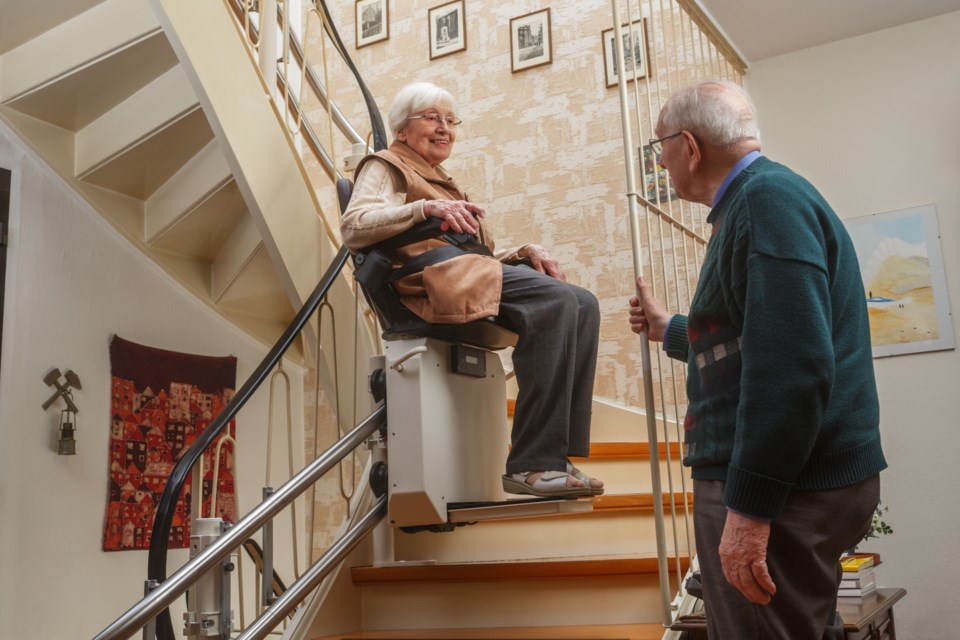
More than 50% of older adults express a strong desire to “age in place”, meaning they want to continue living independently in their own home as they grow older. Aging in place can provide comfort, familiarity, and a sense of autonomy—but it also requires planning to ensure safety and accessibility. Here’s expert advice to help you stay in your home safely and comfortably for as long as possible.
1. Assess Your Home for Safety Hazards
The first step in aging in place is identifying potential risks in your home. Common safety hazards for older adults include:
-
Slippery floors in bathrooms and kitchens
-
Loose rugs or carpets that can cause trips
-
Poor lighting, especially on stairs and hallways
-
Cluttered walkways that impede mobility
Consider a professional home safety assessment to get personalized recommendations for modifications.
2. Make Smart Home Modifications
Small changes can make a big difference in maintaining independence:
-
Install grab bars in bathrooms near toilets and showers
-
Add non-slip mats in wet areas
-
Upgrade lighting with brighter bulbs and motion-sensor lights
-
Use stairlifts or ramps if stairs become challenging
-
Consider lever-style door handles instead of knobs for easier use
These modifications reduce the risk of falls, one of the leading causes of injury among older adults.
3. Embrace Technology for Safety and Convenience
Modern technology can help you monitor health, stay connected, and maintain safety at home:
-
Medical alert systems with fall detection
-
Smart home devices like automated lights, thermostats, and door locks
-
Video doorbells to see visitors without leaving your seat
-
Medication reminders through apps or smart pill dispensers
Tech solutions can provide peace of mind for both you and your family.
4. Plan for Mobility and Accessibility
As mobility changes, think ahead about adjustments that can make daily life easier:
-
Keep frequently used items within easy reach
-
Arrange furniture to allow clear walking paths
-
Consider walk-in showers or curbless tubs
-
Install handrails along stairways and hallways
Planning for accessibility now can prevent major renovations later.
5. Stay Connected and Maintain Social Engagement
Aging in place doesn’t mean isolation. Staying socially connected is critical for mental and emotional health:
-
Schedule regular visits with family and friends
-
Participate in community programs or local senior centers
-
Explore online groups or virtual classes if leaving home is difficult
Social engagement supports overall well-being and helps you feel more independent.
6. Plan for Long-Term Care and Emergencies
Even with modifications and support, emergencies can happen. Prepare by:
-
Creating a medical and emergency plan
-
Keeping an updated list of medications and contacts
-
Considering in-home care services if assistance becomes necessary
-
Evaluating long-term insurance or financial planning options
Planning ahead ensures you can stay in your home safely, even if health needs change.
Conclusion
Aging in place is a fulfilling option for many older adults, but it requires careful planning, safety upgrades, and ongoing attention to health and mobility. By making your home safer, embracing technology, staying socially connected, and planning ahead, you can continue living independently and comfortably in the place you love most—your own home.
Take the first step today: start with a home safety assessment and identify the small changes that can make a big difference in your daily life.